Category: Tiny Thoughts
-
人的三个境界:情绪、价值、规律
人的三个境界:情绪、价值、规律你现在活在哪一层? 最近看到一句话,让我突然理解了很多人的困惑,也照见了自己: 人有三个境界: 第一活在情绪里,第二活在价值中,第三活在规律中。 越想越觉得,这像是一张“人生地图”。 每个人都在这三层之间来回走,只是停留的位置不同。 🌧️ 第一层:活在情绪里这一层最容易理解,也最常见。 工作不顺,就想逃。 开心人一句话,就能影响你一整天。 就做,不开心就不做。情绪来得快,也走得快。你会觉得生活像在“推着你走”。 今天顺风,你就开心;明天逆风,你就怀疑人生。不是你不够成熟,而是你还在被情绪牵着走。 🔍 第二层:活在价值中到了第二层,你开始问自己:“这件事,对我来说值得吗?”于是你会: 为了健康,少吃点甜。为了孩子,多一点耐心。为了成长,愿意承受短期的不舒服。 为了关系,愿意沟通、理解、调整。 你开始有了自己的“价值排序”。 你知道什么重要,什么可以让步。最明显的变化是:你开始主动选择。 🌱 第三层:活在规律中不是被情绪推着走。第三层不是“更努力”,而是“更看得见底层逻辑”。你会开始问:“这件事背后有什么规律?我怎样顺着规律做事。 ”比如:- 健康有它的规律:饮食、运动、睡眠。 – 关系有它的规律:沟通、边界、信任。 – 学习有它的规律:刻意练习、反馈、时间积累。 财富有它的规律:复利、风险、周期。你不再靠运气,也不再幻想捷径。 你知道:按规律做事,结果会慢慢出现; 不按规律做事,情绪再强也没用。这时的你,会更稳、更淡定,也更自由。 🔗 三层不是“升级”,而是“整合”真正的成熟不是“没有情绪”,而是: 规律被尊重你依然会- 情绪被看见。价值被选择难过、会生气、会迷茫,但你知道怎么走出来。 🪞你现在在哪一层?你可以问自己三个小问题: 1. 我最近做决定,是看“我爽不爽”,还是“值不值得是什么?我有没有按照它们来生活?”? 2. 我最在乎的三件事 3. 在我最在乎的那一块,我有没有认真理解它的规律? 这不是要你立刻“升级”,而是让你更清楚地看到:我现在在哪?我愿不愿意往下一层走一点点?
-
Life Archive Framework
🧭 The Four Freedoms as a Life Archive Framework When you treat your life as an “archive” — a collection of meaningful growth and impact — these four freedoms become your categories of progress: Freedom of Time Control over when and how you spend time. Freedom of Money How you earn and use money. Freedom…
-
Simple, but not easy.
A lot of success in life is just putting yourself in a position for good things to happen to you. + Be reliable + Avoid drama + Help other people win + Take care of your body + Take care of your mind + Live below your means + Treat your job as if it…
-
Complexity
Complexity increases because adding is easy and removing is dangerous. Whenever there’s a problem, we add: a new person, requirement, or process. We never subtract.Why?Because everything that already exists has a champion. That clause in the tax code, that step in the process, that feature in the product … someone fought for it, and they’ll…
-
Self though
If you come across any special trait of meanness or stupidity . . . you must be careful not to let it annoy or distress you, but to look upon it merely as an addition to your knowledge—a new fact to be considered in studying the character of humanity. Your attitude towards it will be…
-
What is Work smart?
Telling someone to “work smarter” is useless because it assumes they already know what smarter looks like. If they did, they’d be doing it.“Work smarter, not harder” is often framed as the opposite of hard work, but working smart is itself a derivative of hard work. You have to work hard just to figure out…
-
Good decision-making
People think good decision-making is about being right all the time. It’s not. It’s about lowering the cost of being wrong and changing your mind.When the cost of mistakes is high, we’re paralyzed with fear. When the cost of mistakes is low, we can move fast and adapt.Make mistakes cheap, not rare.
-
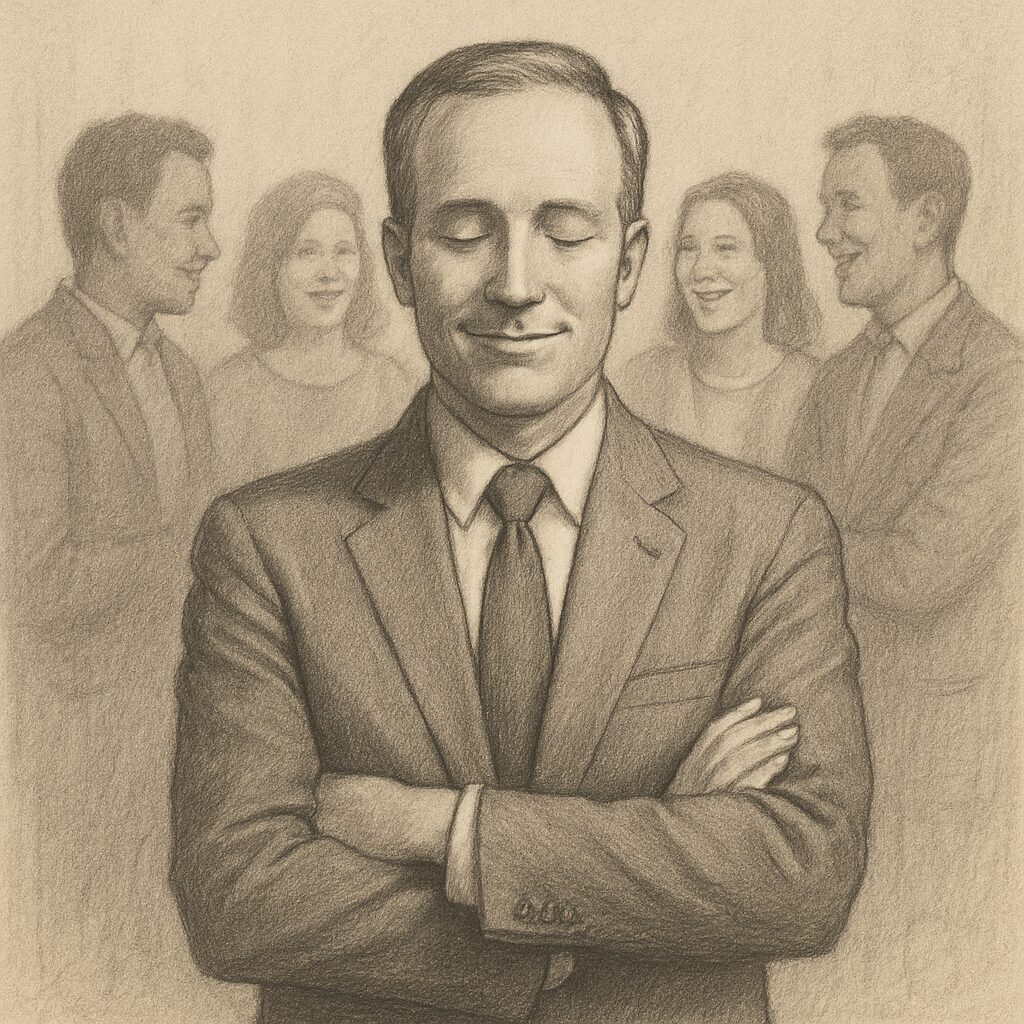
let others shine
Whenever you find that you have the impulse to be the smartest person in the room, take a deep breath, let the impulse pass, and allow everyone else to feel smart instead.
-
关于“见世面”
1. 见世面不是炫耀,是打开认知的方式不是为了向别人展示,而是为了拓宽自己的眼界。你见过越多,越能明白世界的广阔,越不容易被眼前的事情困住。 2. 人为什么要见世面?避免局限思维:长期生活在一个小圈子里,会误以为世界就这么大。提升审美与判断力:见过更高层次的人或事之后,你对“好”的标准会改变。增加选择自由:你知道的越多,可选的路径也越多,不容易被“唯一选项”绑架。 3. 如何见世面?亲身经历:旅行、换工作、参与新的圈层或项目。阅读与学习:读优秀人物传记、看纪录片、听思想型播客等。与优秀的人交往:通过交流,获得不同维度的视角。 4. 见过世面的人,常有的特征不轻易下判断,不急于表现自己。懂得尊重多样性,拥有强大的内心稳定性。面对问题不慌张,有长期视角。 5. 反面提醒:见世面≠消费主义、打卡式旅行。真正的“见世面”是内化,而不是晒出来。 🌏 “见天,见地,见自己,见众生” 1. 见天 —— 看见更高维度的规则 🌌 “天”象征着命运、规律、格局、趋势。意思是:要跳出当下,看清大势与格局。学会理解系统运作、行业逻辑、社会趋势、时代节奏。比如:认识到个人命运不只是靠努力,也被时代浪潮影响。 ✅ 见天的意义:拓宽你的格局,不在鸡毛蒜皮里内耗。 2. 见地 —— 看清现实、扎根土地 🧭 “地”象征真实、基础、实际层面。意思是:看清世界运行的现实逻辑,脚踏实地。不幻想、不盲信,知道每一件事背后的“运作方式”。比如:你见过工厂、乡村、高层办公室、基层医院,你才知道社会如何真实运转。✅ 见地的意义:不浮夸,行动务实,有根有据。 3. 见自己 —— 认清内心,回归自我 🪞“见自己”是所有成长的起点与归宿。意思是:通过外在经历,慢慢认清自己是谁,要什么。不被标签、身份、比较所困,真正看见真实的自己。包括自己的情绪模式、盲点、渴望与恐惧。 ✅ 见自己的意义:建立内在稳定,不随风而动。 4. 见众生 —— 同理他人,理解多样 👥“众生”象征他人、群体、人性、众多生命状态。意思是:通过见世面,懂得不同人的生活和想法。不轻易评价,学会共情与理解。比如:你去过底层贫困区,也去过顶尖学府,你才会更理解社会的多元与不易。 ✅ 见众生的意义:培养慈悲、理解差异,减少偏见。
-
Don’t tell me your priorities, show me your calendar.
“It’s not that we don’t have time. It’s that we don’t have time for the things that are really important. There’s always enough time to do what’s really important, but we get caught up doing things that aren’t important.”